
Ivan’s Crisis of Belief
The Brothers KaramazovThis flow follows Ivan’s intellectual challenge to divine justice into complicity, guilt, and a breakdown of mind and conscience.
increasing Bearing strength in each event
 decreasing
Bearing strength in each eventdecreasingThe Question of Morality
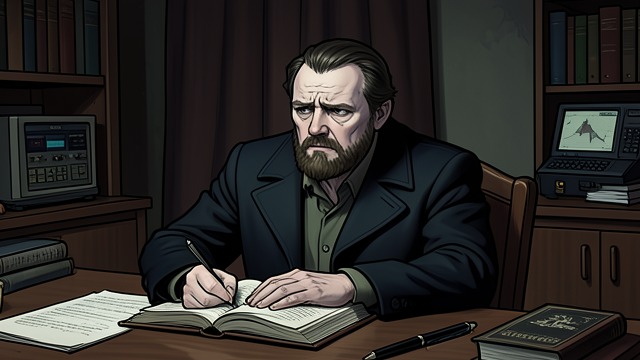
Belief under pressure
Ideas and consequences
Ivan argues that without immortality there can be no secure foundation for virtue. The claim unsettles the family because it turns an abstract theological question into a possible license for wrongdoing.
A question left open
Father Zossima senses that Ivan does not fully believe his own argument. Ivan’s intellectual composure conceals a painful search for an answer that neither debate nor wit has resolved.
Rebellion and the Inquisitor
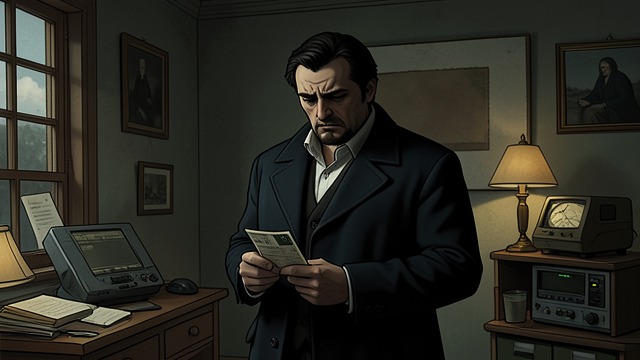
Refusing easy harmony
Suffering without justification
Ivan refuses to accept a world whose future harmony appears to depend on the suffering of innocent children. He returns his symbolic ticket rather than consent to a reconciliation that cannot answer their pain.
Freedom and authority
In The Grand Inquisitor, Ivan imagines Christ returning to a society that trades freedom for bread, certainty, and obedience. Alyosha answers the poem with a kiss, but their disagreement remains alive between them.
Moral Complicity
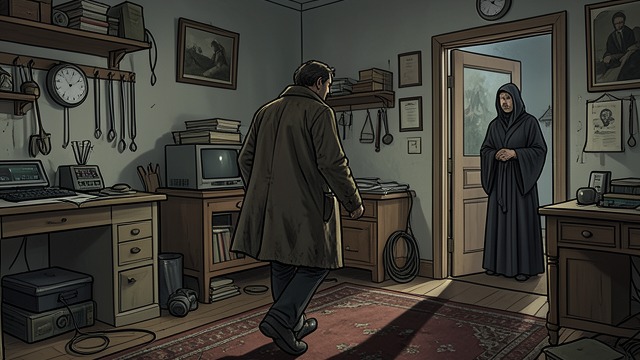
Leaving the danger behind
A loaded departure
Smerdyakov urges Ivan to go away and describes the household signals and risks around Fyodor Pavlovitch. Ivan departs, conscious of the danger but unwilling to stay as his father’s keeper.
The return of responsibility
After Smerdyakov confesses, Ivan recognizes that his ideas and departure have helped create a moral opening for murder. His worsening fever and visions turn intellectual doubt into a crisis of personal guilt.
the family gathering at the monastery
Ivan and Alyosha’s meeting at the Metropolis
after Ivan’s departure for Moscow
